My Ecology - It's A Two Way Street

___A squirrel eats a nut. The nut grows on a tree. The tree comes from the ground. The tree survives on carbon dioxide that the squirrel released, who received its oxygen from the tree. Everything needs each other. Everything has a relationship with everything else. That is the definition of ecology. Nothing in nature exists without its surroundings. Human social systems would not exist if there were not people to fill each class. Cities would not exist if there were not people to build them.
___I was born in Manhattan, New York, but was raised and have lived in Brooklyn my whole life. I am sixteen years old. My mother too, was born in New York, but her entire background is from Italy. My father, born in New York, comes from a Spanish decent. Originally from Spain, the Spanish Jews were driven out of Spain, so my ancestors fled to Argentina, and later came to New York to have a better life.
___I have a relationship with everything thats around me. I have a relationship with my family and friends, with the food I eat, the water I drink, electricity I use, ground I walk on, air I breathe, and the keyboard in which I am typing. My surroundings effect how I dress and act, my personality, the things I watch on TV, the books I read, the music I listen to, the things I say, and the things I choose to believe. I also have this effect on others. Everyone effects everyone else, as everything that occurs effects something else.
___I took the online ecological footprint survey. If everyone lived like me, we would need 3.4 planets to survive. The amount of food I consume, running water I use, electricity I use and amount I travel all adds up to make this amount. If I were to eat more locally grown food, made my own electricity (solar or wind power), and didn't have hot water, the amount would be less. We use things that come from all over the world, and that impacts our ecosystem. The fact that things have to be shipped, packaged and written on alone come from many different countries and continents. This makes our ecological footprints larger and larger.

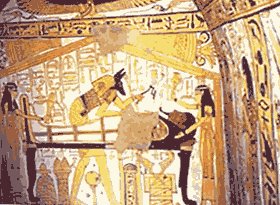
Death in American Culture

American Burial


Death! This is one event many people do not want to think about or let alone, decide how they want to be burred. Within the great American Custom of burial. Which is mostly consisted of a ceremony, and a burial. Which the corps is places in a casket. Where they are lowered under grown, in a resting place (mostly a cemetery) to rest in peace.
But many may not known, a hundred of year ago this custom of burial was not placed or even excited. Other cultures, even until this day, have their own rituals. Which even continue to this day!
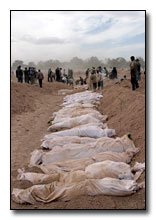
(Picture above is of a Casket which the body is then lowered into the ground.)
At one time or another, we were place under ground in a open body, without a casket. Some people might believe that it was to continue our life, or know as re-carnation of life. When this its done, our body decays under the ground and help send nutrients to our soil. Which helps in rich our grown and continue it life in other organisms. This would mostly typically known to be a type of food chain or a life cycle. Cause one thing helps another to continues its life. But now a days, its unfortunately know to be toxic for our own self and our environment. That's why a casket is mostly place, to stop or reduce the process of decay. some do not believe in the process or burial, in which we believe in America. Other country and religion have their own customs. Some even have more then one process. Some cultures burn the body's, some just bury them under grown as they are, with flowers and other spiritual items. An some even cover the body's up in
these cloths like material with a type of liquid soaked on it to help the body to say persevered for their after life. lots of culture continue these rituals, but mostly in there own country's.
Here in America it's not a loud, due to the fact that our body gives out toxic waste. Which can harm our environment, and can ill ourselves. The reason our body's are so full of toxins, is cause of the food that we place in our body's. Food now a days, aren't as natural then they were years ago. Food now gets altered and genetically engineered. Which in other words, are given things that we do not necessary need. These food alterations, are sometimes made to increase flavor, texture, color, etc. But also not only food, vitamins, medicine that isn't necessary to take. People now a days don't take care of their body's like they used to. That's why our body's over time develops toxins that let out of our body, which harm our environment.
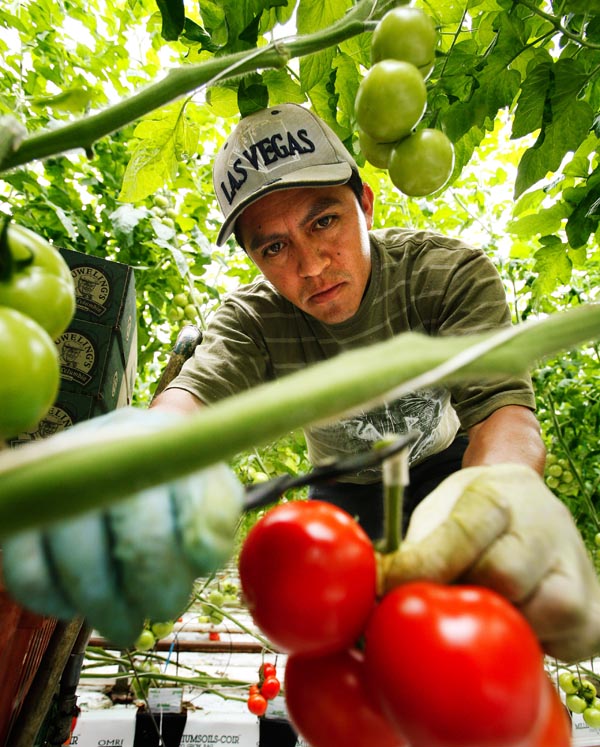
(picture located above indicates
is a tomato getting genetically engineered
with unknown, minerals or toxins.)
That's why if you ever wonder why American culture of burial, consisted of a casket. Is to let the bodies decompose in a closed, sheltered area. But many do not understand, is that when doing this and placed these toxins in our body's, we do not allow our life cycle to full go on. Cause human body's like animal body's, can provide the development of rich soil, so our environment can takes in and allow it to grow and expand. Especial now that their is less natural resources, that aren't genetically developed or man made. In every way we sort of cut off our lives expand more and more each year. What can we do?

Ecology of 5 Things in Your Own Household- From Your Supermarket to Around the World

Ecology of 5 things in my kitchen

Key:


Yellow= Milk
Milk- Elmhurst, Jamaica New York, made by Holstein cows
Plastic Container- China
Label- New York
Blue= Honey
Honey- Mercer Road Natick, Massachusetts (packaged)
Plastic Container- China
Label- Massachusetts
Bees- Massachusetts
Extractor- Massachusetts
Indego=Cheese
Cheese-Glenview, Illinois (packaged)
Boxing- Russia
Label- Illinois
Plastic Wrapper- China
Adhesive- London

Grey= Red Wine
Wine- Woodbridge, California (packaged)
Grapes- Egypt, Dubai, California, China, Turkey, Pakistan
Glass Bottle- China, Dubai, United Arab Enmities, Pennsylvania, Egypt, Pakistan, India, Iran
Equipment- California
Cork- Pennsylvania
Green = Olive Oil
Olive Oil- Azusa, California (packaged)
Olives- California, Italy, Greece
Plastic Container- China
Label- California

MY ECOLGY : From SQUARE ONE to SQUARE ZERO

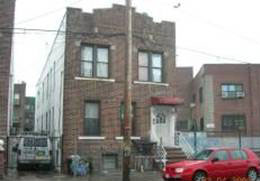
I was born in Brooklyn. My parents migrated from Mexico to find freedom and opportunities.the reason they had to come to America to find work was because you can win X amount more money in America then in Mexico.they came to live in Brighton beach because other people who they knew from Mexico migrated to this place.Back when they came to Brighton it was a nice place it was clam and quiet,it was different from Mexico .over the years it changed . A Lot of Mexicans moved in and then "GANGS" started to form.Mexicans were beating up Mexicans.Some"GANGS" thought they were better.Then at one point people just started to move out of Brighton .Kids would have to be at least in one of the gangs to be friends or get along with others.I think the neighborhood became like this because nobody wanted to be lesser or weaker then any body else.So my parents left Mexico to come see Mexico (irony huh?).They ended up no more richer than they were in Mexico .So instead of living in a better house they ended up living in a falling-apart apartment(reminder: left their house to live in apartment) so in other words they were those rich people who had a big house who at the end became those framers working in the field.


FROM HOUSE -----TO-----APARTMENT


FROM SQUARE 1--------TO-----SQUARE ZER0


They ended up doing the same thing


(talk about irony)


MY ECOLOGICAL FOOTPRINT


CATEGORY
ACRES
FOOD
4.4
MOBILITY
1.5
SHELTER
1.2
GOODS/SERVICES
1.7
TOTAL FOOTPRINT
9 IN COMPARISON, THE AVERAGE ECOLOGICAL FOOTPRINT IN YOUR COUNTRY IS 24 ACRES PER PERSON. WORLDWIDE, THERE EXIST 4.5 BIOLOGICALLY PRODUCTIVE ACRES PER PERSON. IF EVERYONE LIVED LIKE YOU, WE WOULD NEED 2 PLANETS.


My Ecology

Many of us live in the cities where we easily forget that nature works in close loops. We go to the store to buy food with money from the bank machine and, later get rid of the waste either by depositing it in the bank alley or flushing it down the toilet. Big city life breaks natural material cycles and provide little sense of our intimate connection with nature.

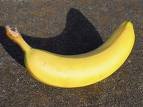
My family and I was born in Haiti, my dad move to America because of his job he had in Haiti and that's when he went and filled out for my mother and I and my sibling's to come because Haiti politics, safety, health,freedom, job, and a better life. from Haiti to America It takes us 4 hours of plane, when we got here, we move to an apartment in Ocean Avenue.We didn't have a car back then so we usually ride the train to go anywhere we were going. for my6 brother and I it takes us an hour to go to school, but my sister walk to school because her school was three blocks away from the house. When i came, i saw a whole new life, that i have to live in, new nature, new style, new music, new food. Every morning when i wake up i eat a banana fruit that come from Australia. and for lunch i eats a ham sandwich, the ham come from a a pork, the haunch of a pig or boar.Ham can either be dry-cure or we-cure. a dry-cure ham has been rubbed in a mixture containing salt and a variety of other ingredients (most usually some proportion of sodium mitrate and sodium nitrite), sugar is common in many dry-cures in the United Stated. the bread come from weed. if everyone live like me they would need 3.4 planet.
Whether you were born here in America or in a foreign country, we all leave a footprint in our society. Our culture, our beliefs and our ways of living impact the way our society forms. My ecological footprint in correspondence with my societal relationship is quite enormous. Coming from a foreign country, I have brought many new views and ideas to Brooklyn.
Although I was born in Vienna, Austria my heritage goes back to mother Russia. My family is from a small city in Latvia called Riga. Riga's culture and mentality is much different than that of American's. Organic foods, healthy diets, and Chinese food with more fat than food do not exist where I am from. In Riga everything is organic, everyone has a healthy diet for the most part, and fattening fast food restaurants are a rarity.
In 1989 my family moved to America, the land of opportunity. My family brought with them a new culture. They brought new foods, new style of clothing, and an overall new frame of mind. As I became older I began to incorporate American values and traditions into my life. I began to eat those Big Macs and those fried dumplings. I began to litter on the street as if it was a "normal" thing, and I began to dress differently. the impacts I have made on my "nature" far exceed that of one person. In fact a survey I took on myfootprint.org has showed me that it would take 4 planets to hold everyone if they had lived as I do.
Overall, my life so far on great planet Earth has proven to be changing. I have transformed from being foreign to being traditional. My footprint on Earth has altered the way we live and interact. If we were to measure my foot print, then everyone would be covered up. So, how big is yours!?

My Multi-National Ecology

My ecological history begins in Jamaica. This was were my parents were born. My mother came to New York City because she wanted to do her masters degree in America because she did not like the educational system of Jamaica. As you probably know Jamaica was once a colony of Britain. They imposed their educational system on Jamaica, but Jamaica’s schools are not as good as British schools. It’s difficult to go to school there for some people because schooling is expensive, and you have to pass a test made in Britain and graded in Britain in order to get into America’s equivalent of high school. I’m not sure why my father came here, other than because he wanted to make more money.
Life in America is a lot different than life in Jamaica, although America is the richer country the people in Jamaica lead healthier life styles. All fruits are grown locally, and sometimes they’re grown in people’s own backyards. Fast food there is seen as a delicacy because eating home cooked meals with your family is a very important part of life. My family has become the polar opposite of this. Everyone usually eats out before they get home, and sitting down at the table with the family is reserved for Thanksgiving, Christmas, and Easter.
If everybody lived the way that I do we would need 6.9 planets. At first this discovery left me speechless, but as we spoke about this during class it made more sense. Although I live 15 minutes away from school it takes me an hour and twenty minutes to get to school by public transportation. It takes so long because the B82 takes the least direct route, but I have no other option because that is the only bus that goes to school from where I live. Besides this I also travel during the weekends because the neighborhood I live in is very boring so my friends and I travel a long time to get to Manhattan to go to movie theaters or restaurants.
The other reason why my ecological footprint is so large is because I eat meat with every meal I eat. I know that this is very rare because in most countries they eat meat once or twice a week, but I eat it for breakfast, for lunch, and for dinner... even for snacks.
In addition to the amount of meat included in each meal the foods in my fridge come from all over the world. The Madras curry powder in my cabinet is a product of India. The gram farina in the curry is from Bengal and it is packaged in Canada. The Folgers coffee I drink is made by a company in Ohio. The canister was made from recycled materials and the coffee plant was grown in South America. The cheese in my fridge contains cow milk, milk fat and salt enzymes. The wrapper is from China and the cheese itself is processed in Ohio. My tuna is grown in Ecuador and is packaged in Pennsylvania with aluminum from China. My Toasted Oats are made in America, in New Jersey.

Magically Delicious


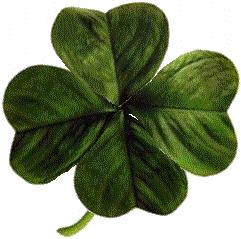
"I will kill him by sunset tomorrow !" with that being said, imagine being threatened with black magic. I know, I know , it may sound funny now, but believe it or not black magic was a big threat and it was even commonly believed that this little plant could be used as in it's magic. The Clover lies behind a magnificent past. (shamefully more exiting then mine.)

There's no evident to say that black magic with the clover actually worked in those days but it was heavily believed.( if it did my boyfriend would have to watch out.) There is evidence that this plant is an Irish plant. (Well I guess that explains the Leprechaun.) It was coined by Saint Patrick. In addition, what's so amazing about this plant is that it has an ecology like us humans. I mean this one plant traveled , was used as magic and continued to grow.

The four leaf clover even has it's own saying, which is " to be clove," This means a careful life of ease, comfort and prosperity. You know what was so funny about this was that the saying describes how I live and It wasn't until now that I knew exactly why.

My Ecology - From China to America

My family came from china for better job opportunities and better working conditions. There was unrest in eastern china. There were many inequalities in china. Most of these inequalites come from the communist government and the cost of WWII. In order to have a better life and make a better living, my dad moved here.
When my dad first came here, me nor my brother wasnt born. My dad found an apartment in the projects, in lower East Manhattan. A little later, my aunt moved in with my dad. When he got work, he normally walk there. His first job was an all-around electrician/carpenter. he rode in a car pool to a work place and build things.
My dad first got his car when my brother was born. He got a family van with 5 seats. He got the car because he thinks the family got big. After he was born, he got a car to drive and purchased a house. The car was old so it ran on 15-20 mpg. He oly used the car to drive to the market once every week to once every two weeks. He would still go to work using the train.
When I was born, my dad wanted a bigger house. Then when we moved to a bigger apartment, my dad wont use the car unless its on the weekends, to go buy things or go to places. The apartmen was bigger than all my other houses and apartment that i was living in, but the train was far away. luckily there was a bus that went from my house to the train station on 8th avenue.
Later he found a house when i was like 8. Then my dad moved to the house im living in and got a better suv. The suv runs on 30 mpg. he used it a little more than he normally would for strange reasons. it is mainly because it was new. One time last year, he had to drive the car to work. The workplace is in upstate New York. He drove for an hour to work and back as a meter reader in a company. Now he would still use the car on weekends but once in a while.

Pushing Pollution Out

Pollution has and still is a major problem on planet earth. There are many forms of pollution such as; air pollution, noise pollution, water pollution, chemical pollution, light pollution, ozone pollution, etcetera. Worldwide motor vehicles emission, chemical plants, coal-fired power plants, oil refineries, nuclear waste disposal activity, incinerators, large animal farms, and other big factories are the major causes of pollution. Pollution can also be the consequence of a natural disaster like hurricanes.

Pollution can be harmful to animals and their ecosystems, the earth itself and humans by increasing the risk of getting health problems. There are many complications that pollution can cause including; cancer, lupus, immune diseases, allergies, and asthma. Ozone pollution can cause sore throats, inflammation, chest pain and congestion. Oil spills can cause skin irritations and rashes. Noise pollution induces hearing loss, high blood pressure, stress and sleep disturbance.

Pollution began to draw major public attention in the Untied States between the mid-1950s and early 1970s when Congress passes the Noise Control Act, the Clean Air Act, the Clean Water Act and the National Environmental Policy Act. These acts helped people realize the dangers of pollution. From 1996 to 2001 a total of 12522 pollution incidents were reported to the EHS (Environmental Health and Safety).

Scientists struggle to find cheaper and easier ways to minimize pollution in soil and groundwater. In the Untied States alone, the cost of decontaminating tens of thousands of toxic sites on factory grounds, farms and military installations is expected to eventually exceed $700 billion. The main approach to decontaminating the earth is digging out offending chemicals and bringing them to special landfills. This process is costly and disruptive, often requiring fleets of trucks, forests of mechanical wells and other equipment.

After a decade of greenhouse tests and performing variety of techniques tying the absorptive power of plant roots, the Environmental Protection Agency discovered that plants have an important role in decreasing pollution. There are sunflowers that capture uranium, ferns that thrive on arsenic, alpine herbs that hoard zinc, mustards that lap up lead, clovers that eat oil and poplar trees that destroy dry-cleaning solvents. Plants can help pollution problems that are low, dispersed, but harmful levels of contamination.

Although using plants is a great way to decrease pollution many scientists stress that there are still many questions to resolve before the project gets going. Plants must be chosen not only for their ability to go after the chemicals involved, but also for their tolerance of weather and other conditions at a site. Some plants that meet these requirements may actually make matters worse. Fore example, the pollution that plants absorb might end up evaporating through pores in the leaves. For now, it appears that very little gets into the air, and what does is usually quickly degraded by sunlight, a variety of scientists say. The biggest limitation of plants is that they take time to grow and time to work. More plant research is being done on how plants eliminate pollution. This may just be the future for pollution control and elimination.

Letter to the Chief of Justice.

Dear Mr._____________

In the year 1964 there was an act passed by the name of “The Wilderness Act”. This act “ were to be managed "for the use and enjoyment of the American people in such manner as will leave them unimpaired for future use and enjoyment as wilderness...". This act was interpreted as letting 9.1 million acres to the enjoyment of the people. There should be no pollution, vehicles and other mechanical equipment were not to be used or anything that destroys this land.

As this interpretation said, from http://www.wilderness.org/OurIssues/Wilderness/act.cfm, damaging this “federal wilderness land” should be a federal crime. This also should be a violation in the clean air act and the air quality act. If the air harms plants, the ecology for animals that depends on it will also be hurt. A bird might eat the fruit and get sick. If that bird gets eaten than the other animals will get sick. If this pollutant is sprayed into the air, it affected one plant. The plant has an increase of toxin. If a bug eats it and does not die, then it will be more poisonous. Then comes along a chicken. When this chicken eats it, the chicken does not die. Then humans and other animals eat it and everyone gets infected. If it dies and other birds are near it, then a different disease will rise. Hence H5N1, a disease often known as the avian flu. Many people wonder where this awful disease have rise.

If these toxic gets out of hand then everyone can be poisoned. There are also many other acts that are left not enforced, for example the Water Quality Act. This act is loosely enforced. This act is to clean up all the rivers. In the dictionary, toxic waste can be considered pollution. The Mississippi river is very polluted. Why isn’t any thing being done to the air, rivers or preserved lands?? There are laws that say that these issues must be enforced.

The environment these days are horrible. Because of these laws not being enforced, we, the people have to suffer. The Gulf of Mexico is getting warmer each year by 3°. This is because of the Water Quality Act is not being enforced. Look at the people who suffered at Hurricane Katrina. Many people have asthma or any other different type of diseases is because of factories. In every city, there are factories, in every factory there is pollution. Near every city are suburbs. Most of the pollution is damaging the suburbs more than the city itself. That is why many people get sick more often in the suburbs more than the people who live in the city. There are many other reasons too.

If the United States is so worried about global warming and other new types diseases, why aren’t we doing anything?? There are proof in the labs. You can go to cities yourself and see the effects. There are many violations being practiced by the factories. There are laws that prohibit most of the actions from companies. All I want to know is why aren’t these laws enforced. Most of the time, these laws are bypassed. It’s almost like most of your colleague don’t care about the people and your health. The most you do in one week is to listen to cases and sit there do nothing. If you claim that you do something, then why aren’t you enforcing these minor but vital laws??

Sincerely,

Ricky Kuang,

Student in

John Dewey High School

How does New Yorker smell like?

Nature and Ecology are words that i need to look in a dictionary to be able to deliberately use them. Everybody have a different meaning for nature like "out there, or us human" and for ecology "relationship" In my essay I'm going to talk about the different smell of New Yorker.

I use to think that New York smell subway and garbage, because everywhere i go there is a subway that helping us to move around and garbage that waiting for the truck to come pick them up. But when i went to Inwood park , when the teacher told me to seat down and use my senses and tell him Wat i see, smell, etc. I realize that all of these plants have a different perfume or smell .

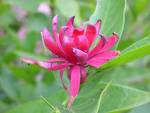
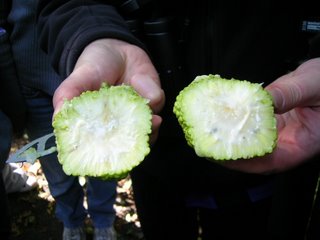
For example the Spice bush it smell like pine sole, and cleaning product and the Osage plant smell like orange, citrus and there was in other plant name kinko when it bust it smell like rotten eggs. When i put all this smell together i find out that New Yorker have different smell of everything mix together and i can't realy find the exact word for it .

the osage fruit


the kinko plant

Urban Ecology....Interesting


We usually think of ecology as the study of the relationships in nature but many people don't consider humans as part of "nature". I was very interested in the way our professor related ecology to people because we truly are a part of this great ecosystem. Some people might say nature is "out there" and not in our backyards but this course has opened my eyes to something thats always around us, natural life.


Urban ecology is the subfield of ecology which studies exactly what this whole essay is about, the interaction of plants, animals, humans with each other and their enviroment in urban or urbanizing settings. Ecology alone is an extensive study of the relationships of everything within the world and when you add humans into the equation it gets even more complicated as we see the effects we have on the earth; positive and negative.

AutoPoiesis: Ecology In A Nut Shell


Autopoiesis literally means "auto (self) - creation" (from the Greek: auto - for self and poiesis - for creation of production) and expresses a fundamental complementarity between structure and function. The Term was orginally introduced by Chilean biologists Francisco Varel and Humberto Maturana in 1973.
As quoted by
Varela and Maturana:
"An autopoietic machine is a machine organized (defined as a unity) as a network of processes of production (transformation and destruction) of components which: (i) through their interactions and transformations continuously regenerate and realize the network of processes (relations) that produced them; and (ii) constitute it (the machine) as a concrete unity in space in which they (the components) exist by specifying the topological domain of its realization as such a network." (Maturana, Varela, 1973, p. 78)

"[…] the space defined by an autopoietic system is self-contained and cannot be described by using dimensions that define another space. When we refer to our interactions with a concrete autopoietic system, however, we project this system on the space of our manipulations and make a description of this projection."
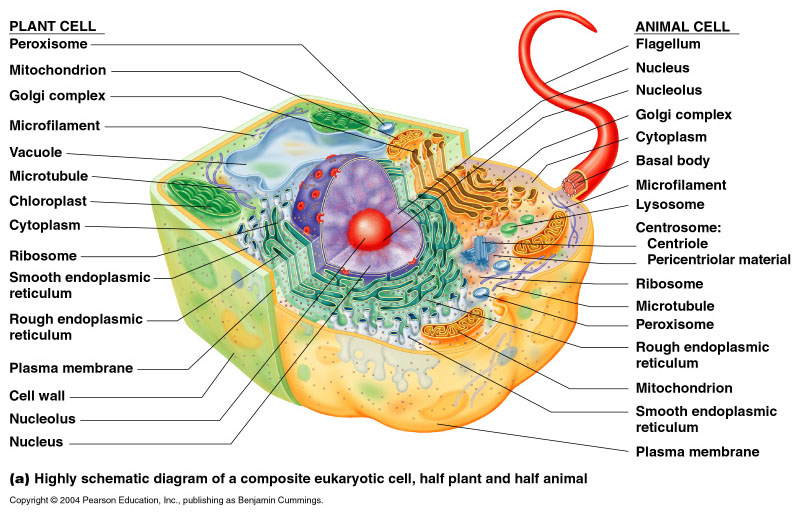
The most relating example of a autopoietic system, and one of the entities that motivated Varela and Maturana to define autopoiesis, is the biological cell. The eukaryotic cell, for example, is made of various biochemical components such as nucleic acids and proteins, and is organized into bounded structures such as the cell nucleus, various organelles, a cell membrane and cytoskeleton. These structures, based on an external flow of molecules and energy, produce the components which, in turn, continue to maintain the organized bounded structure that gives rise to these components. An autopoietic system is to be contrasted with an allopoietic system, such as a car factory, which uses raw materials (components) to generate a car (an organized structure) which is something other than itself (a factory).


Overshoot Day


Beginning on October 9th and continuing through the end of the year, the world will be living beyond its ecological means. Which means that humanity has used up all of the resources (that the Planet would've produced in one year) in just 10 months. The first Overshoot day was in December 19, 1987. By 1995 it had jumped back a month to 21st November. This year, with Overshoot day on October 9th, humanity's Ecological Footprint ( The Ecological Footprint is a resource management tool that measures how much land and water area a human population requires to produce the resources it consumes) is almost 30% larger than the Planet's biocapacity this year. In other words, it now takes more than a year and three months for Earth to regenerate the resources that we use up in a year.
Overshoot day is Calculated by:
[ world biocapacity / world Ecological Footprint ] x 365 = Overshoot Day. Overshoot shows the day on which our total Ecological Footprint is equal to the biocapacity that nature can regenerate in that year. The day of the year on which humanity enters into overshoot is calculated by calculating the ratio of global available biocapacity to global Ecological Footprint and multiplying by 365. From this, we find the number of days of demand that the biosphere could supply, and the number of days we operate in overshoot. This ratio shows that in just 282 days, we demand the biosphere's entire capacity for the year 2006. the 282nd day of the year is October 9th.

A letter To BloomBerg

Dear Mr Bloom Berg,
Our economy has affected our environment greatly.If we don't do something to stop that right now we are endangered ourselves in not having a future.The factories we have put out so much pollution out there its ridiculous.The cars we drive .The planes we ride all that is just killing nature.In order to make new buildings we have to cut down trees what happens to the organisms living there.All the oil used .The heat. We depend on these organisms to live without them what food would we eat where would we get it from if there was no organisms .We need them. Please DO SOMETHING ABOUT !!. We need to save the world before its too late , because to me we will become farmers selling that organic food.


The PROBLEMS of the FUTURE TODAY-->

Inwood Park

THE GINKO FAMILY
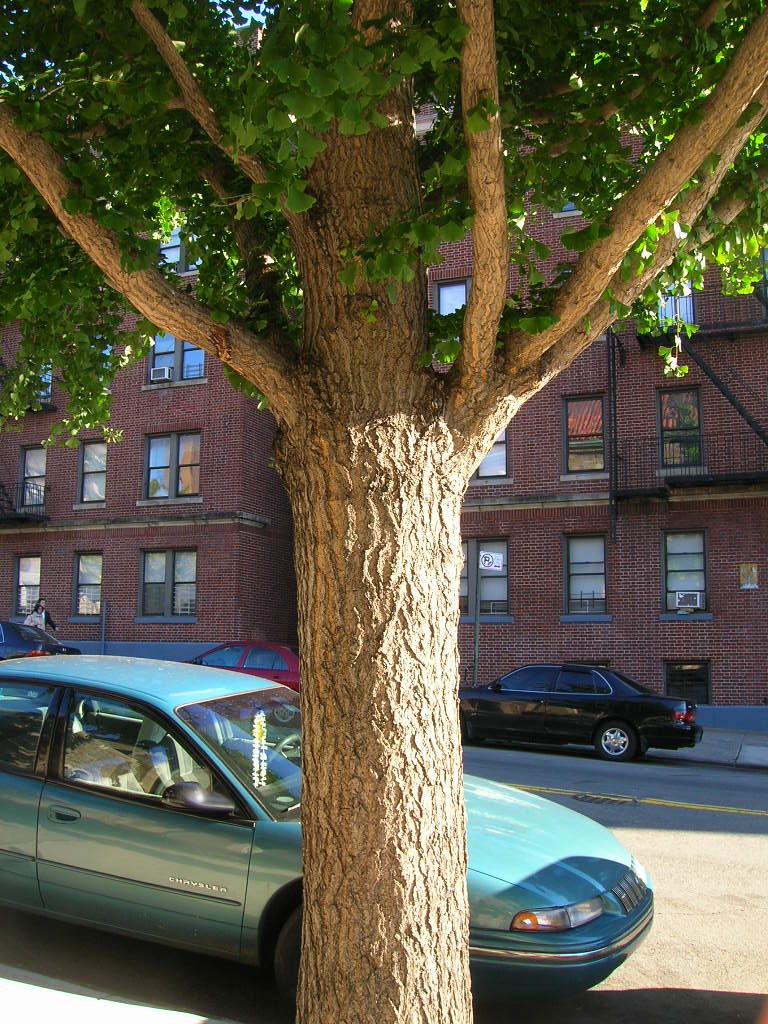
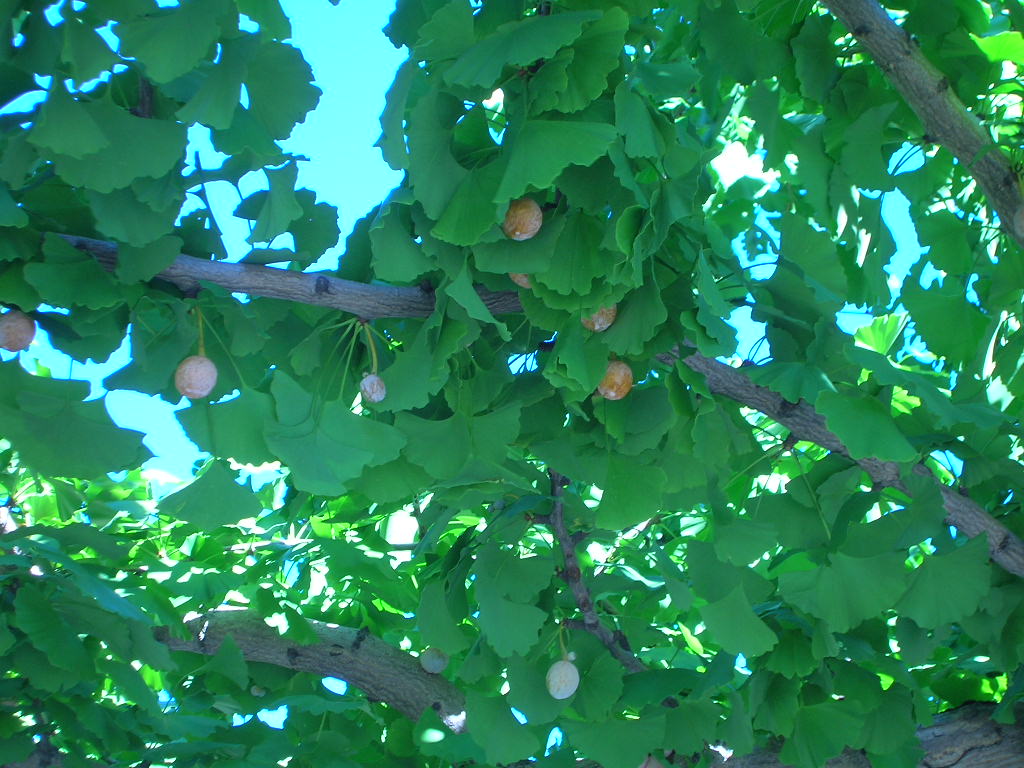
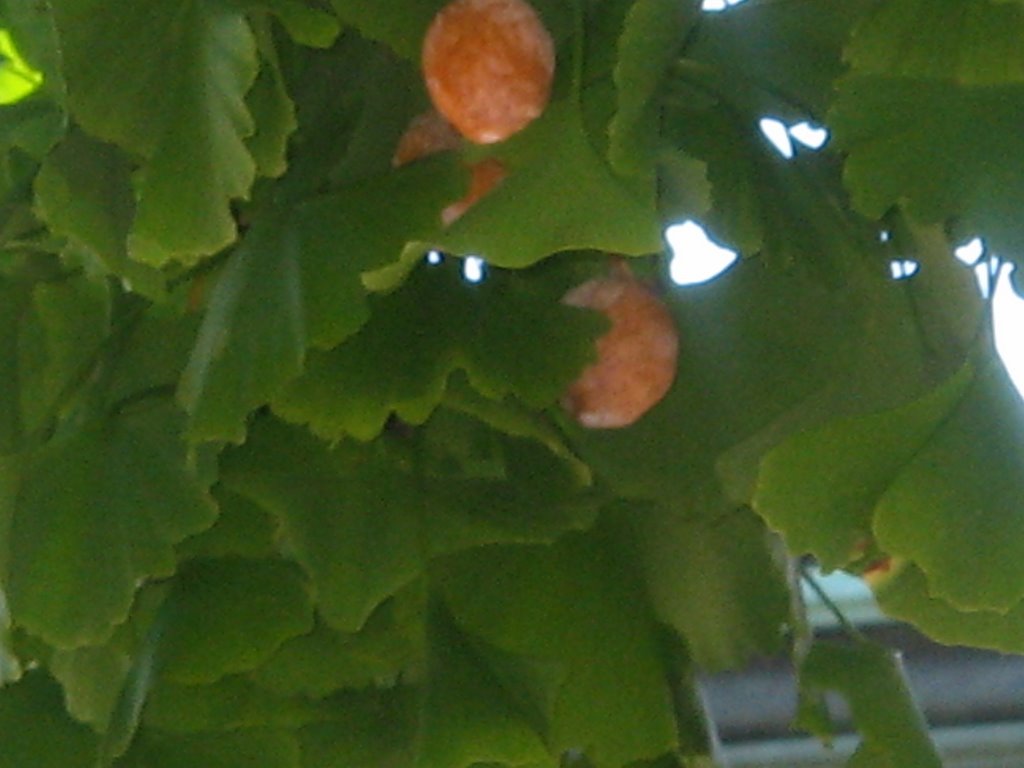
These trees are in one family. The one all the way on the left id the male. The one in the center is the female. The female has fruits. The one on the right is a juvenile female ginko tree. Nature has many different genders. You can identify the differences by looking for fruits or other obvious differences.


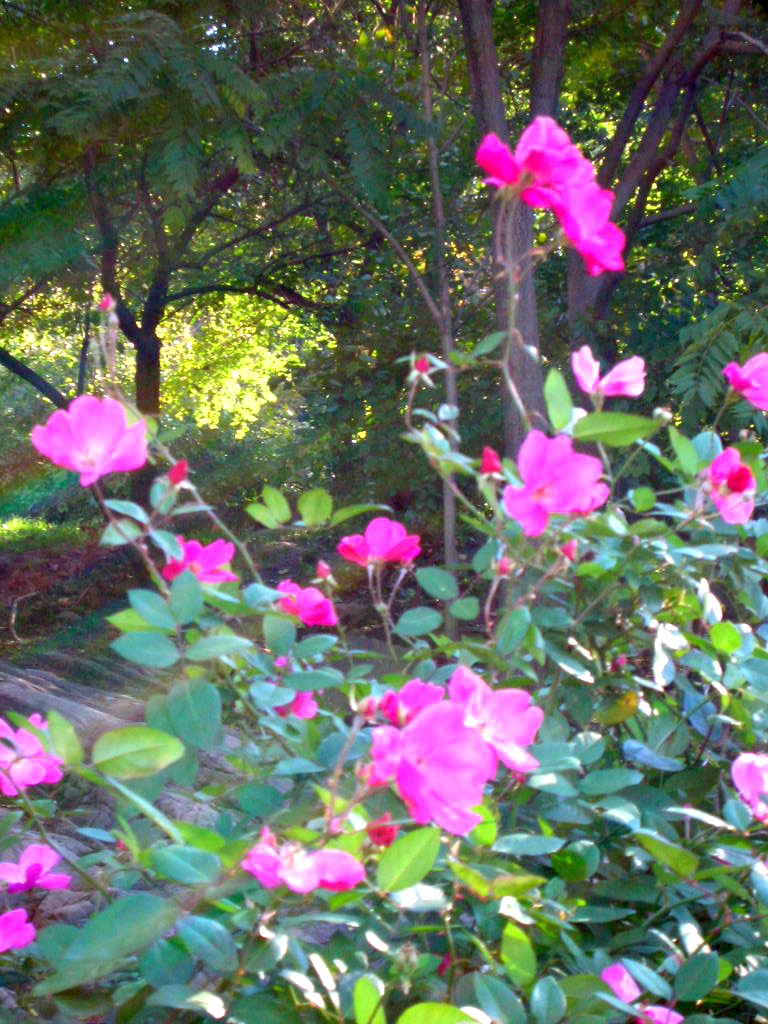
This flower has color. The reason why this plant is pink is because we can see pink. This adaptaion is produced by the plant. Not many other animal can see colors. The animal that uses this plant can also see pink.
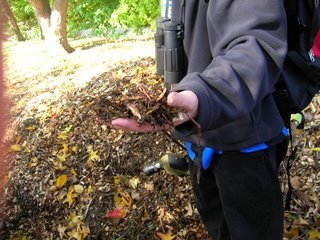

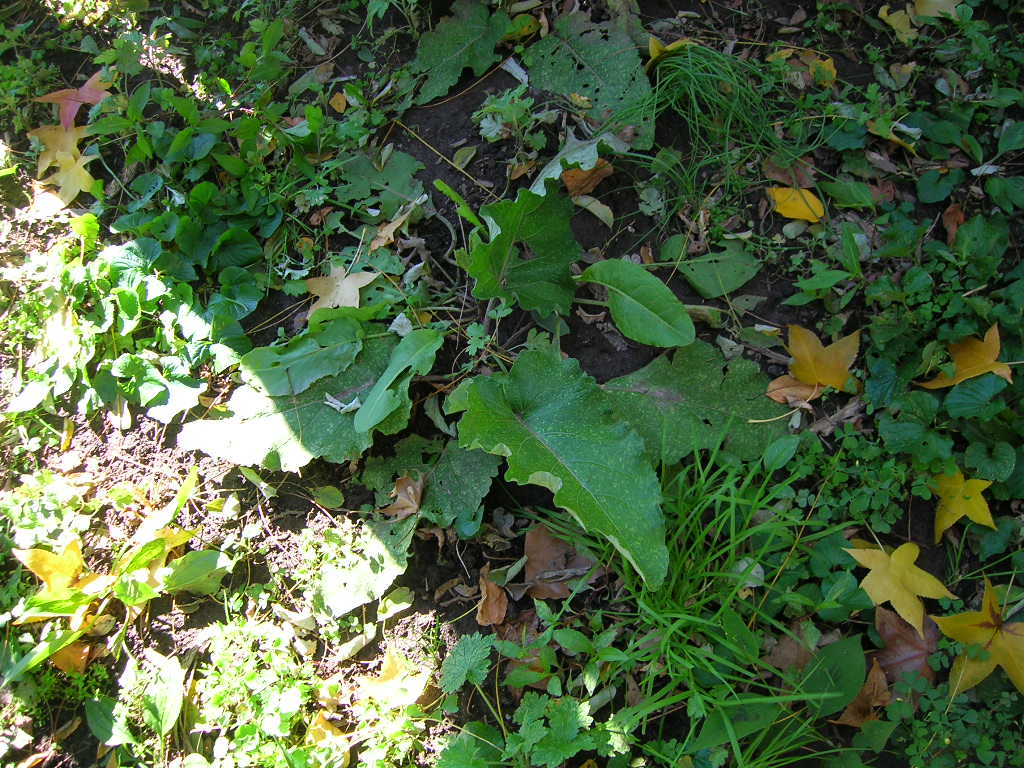
This is a plant that has migrated over from Ireland. This is a clover.


This is a plant that helps out people with arthritis pain.


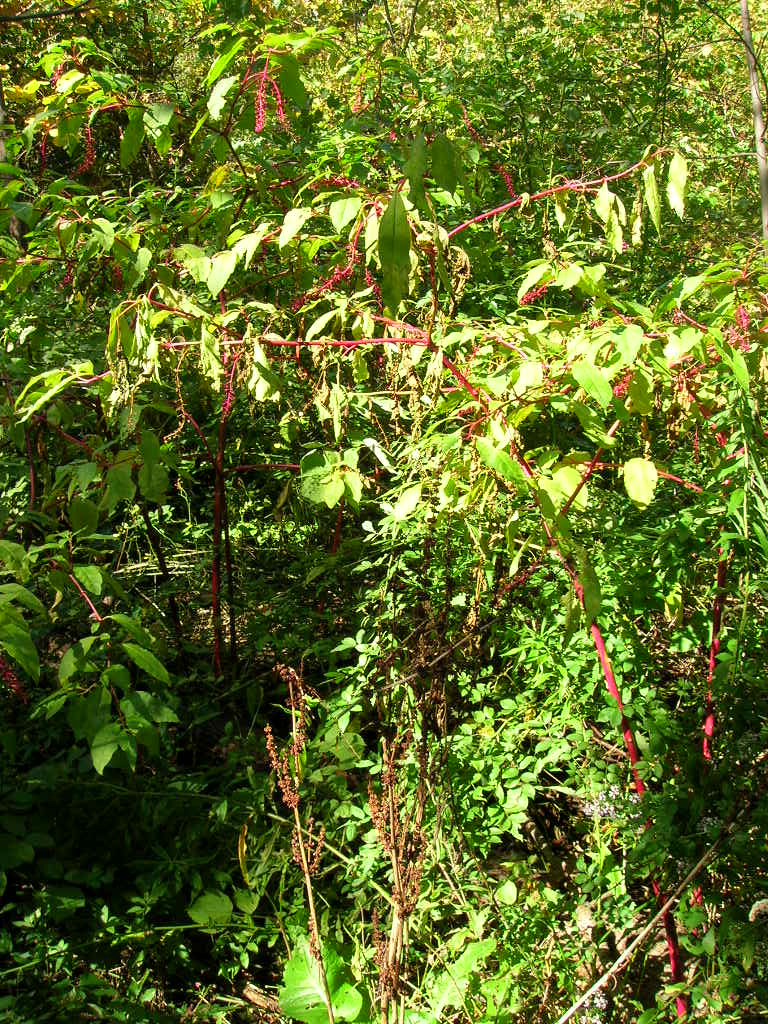
This is a silk worm plant. When the silk moth lays its larve, it usally lays it on this plant. Because of industrial pollution, the dose of poisin in this plant has increased. If a silk worm eat this leaf, it is going to die.


This is a plant that has been altered by nature. There are purple fruits on this plant. When a parrot eat this fruit, it is going to get poisened.


This is a mushroom on the top of Inwood Hill Park. It stands alone and its poisenous.


During our visit in Inwood Park, we found the Golden Rod. A yellow, golden flower that is rarely seen during Mid-October.


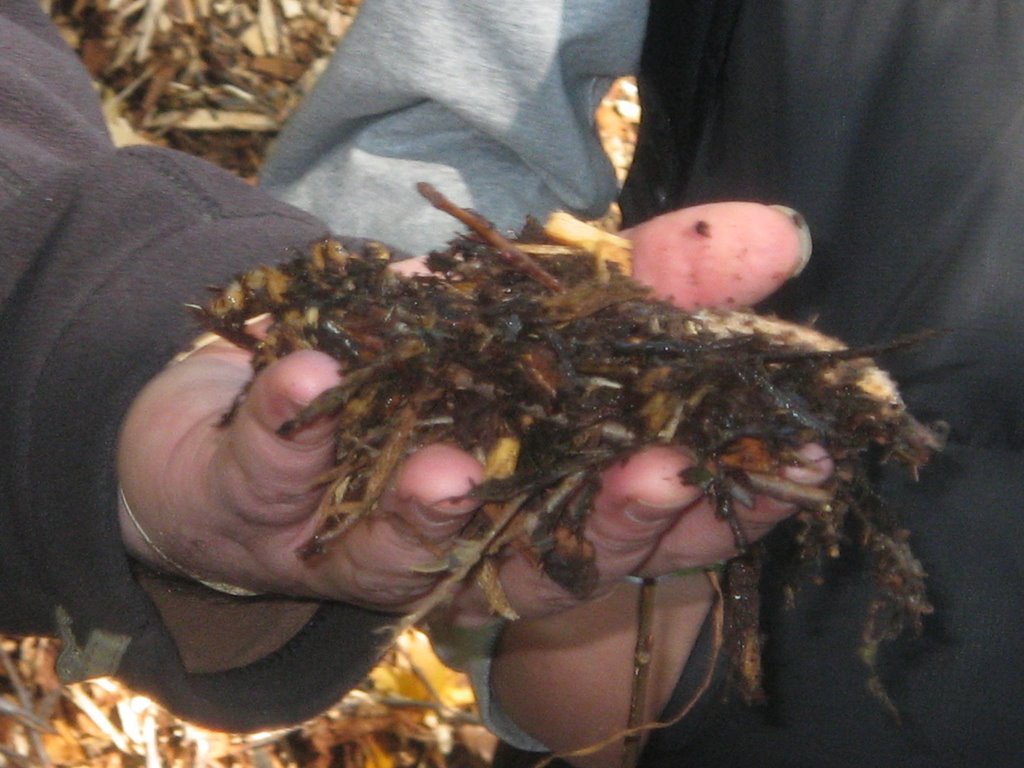
This is compost. Compost is a way to recycle dead resources. Decomposers turn this into fertle soil.


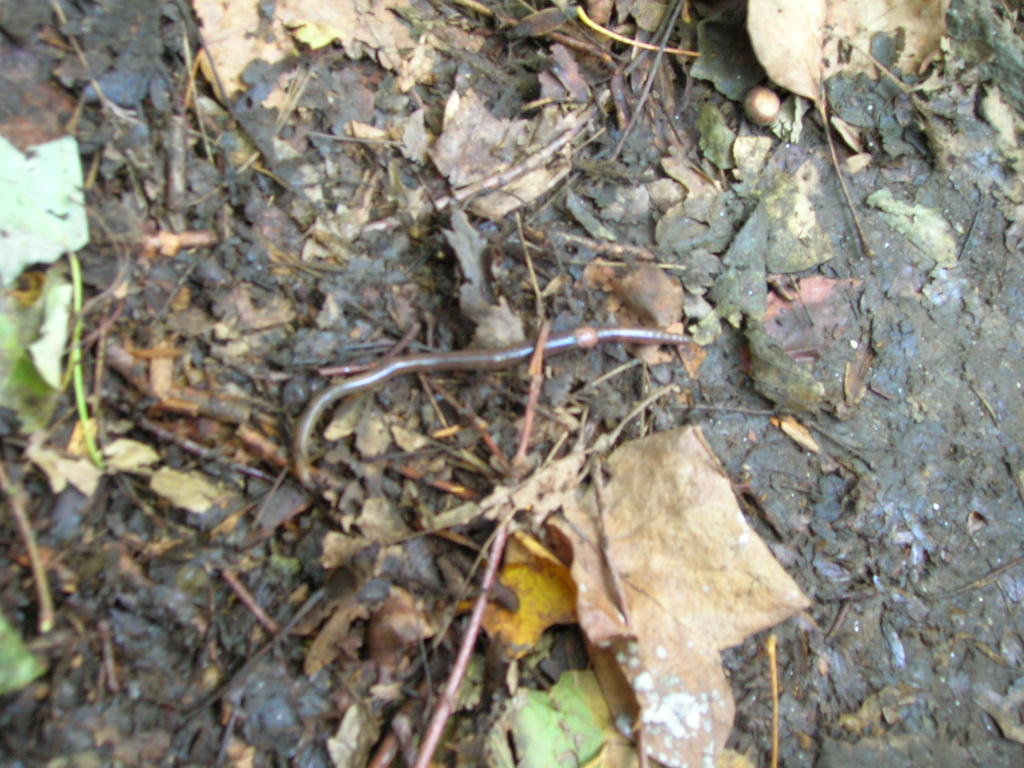
This is one of the decomposers that help the compost. It is an Earthworm.


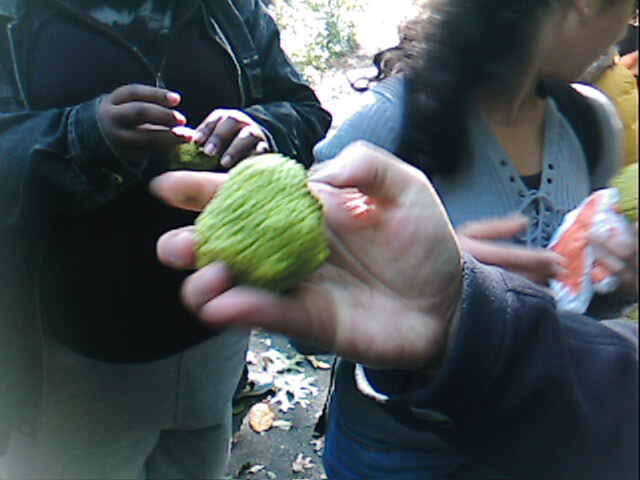
This is an Osage Fruit. It looks like a disembouglated tennis ball. The fruit smells like a citrus fruit.


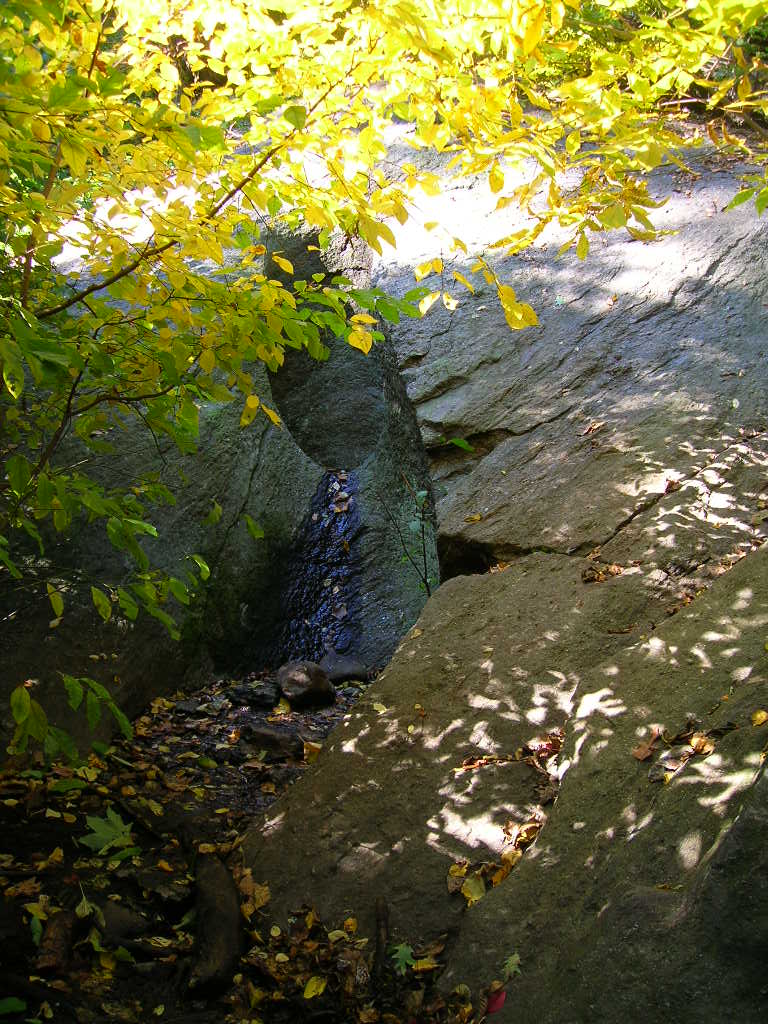
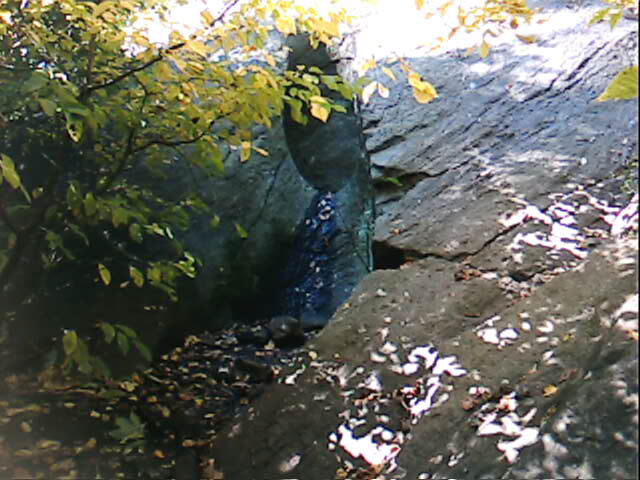
This is a remains of the last glacier retreat. This is a geyser.


What is NATURE?


Conducting a survey about a general topic such as nature can be quite fascinating. What is nature is a question which can be expressed through various ideas. Some believe nature is our forest, and others who have a broader idea believe that nature is something which is living. After conducting my survey with people of a variety of cultural backgrounds I witnessed the different opinions that people have on their views of "nature".
After enjoying my tour through nature at Inwood Park I realized that people have different perspectives on their ecology with nature. As we walk the street we do not recognize the rubbish on the floors. We do not realize the pollution our cars and other vehicles are causing to our environment. Many people believe that nature consists of trees and other living organisms. However, nature is our overall environement and our ecological views pertaing to it. Nature is the way we relate to the different changes which occur in our society. During my tour through Inwood I understood more profoundly the phrase that with every action there is a reaction.
Beofore entering the park and having someone help me open my eyes to "nature", I too had the same ideas about this broad topic. I too believed that nature was the trees and animals in our world. Nevertheless, I soon found out otherwise. I found out that our interaction between the world, is nature. I found out that we are not seperated from the world but rather we are one with it. During my adventure I began to understand that life, or nature is a continuous cycle of recycle. When an organism dies, this process helps establish a life of continuity.

By: Gabriel Shvets

Where are the Pigeons?


This is a picture of a ginko tree that we passed by on our way to Inwood Park. When the fruits of this tree are burst they expell the smell like rotten eggs.


This is compost. It is completely natural and healthy, unlike what industrial farmers usually use to fertilize their produce (they usually use oil). This fertilizer is the key to restoring our ecology. There was a pile of it in Inwood Park, but post-cards are often sent out in Brooklyn to homeowners about a compost giveaway on Kings Highway.

While I was at Inwood Park one thing that struck me was that there were no pigeons in Inwood Park. I saw kinglet birds and several other birds that were migrating for the winter that I dont normally see in my own neighborhood. Inwood Park appears to be the ideal location for animals in New York City. It seemed very strange that some animals would choose to live in the toxic industrial areas of New York City instead of living in the beautiful and serene park in Manhattan. In my research I discovered that pigeons are scarce in Inwood Park because red-tail hawks like to prey on pigeons. So this would explain why pigeons dont frequent Inwood Park.


What Is Toxicity?


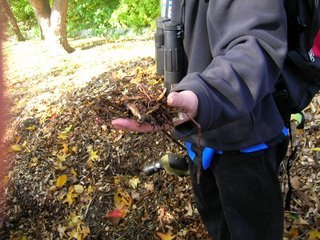
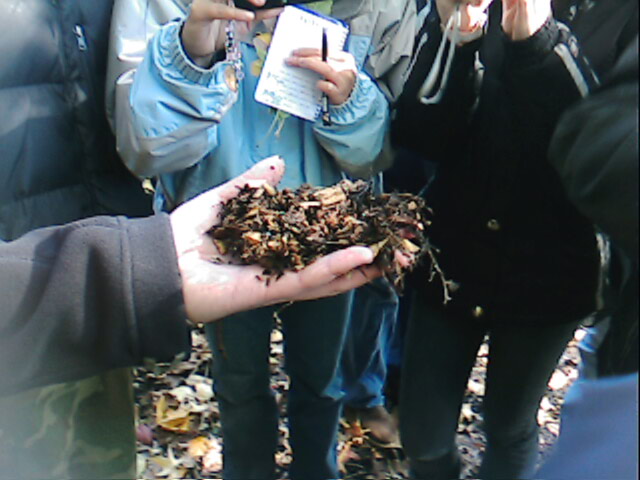
Pictures- (Upper Left)A View Of The Forest, (Upper Right) This Will Someday Break Down and Fertilize the Earth, (Left) Professor Rosane Holds Some Compost. This Stuff is Our Future.


_____On our trip to Inwood Park, we stopped and listened to a lecture by a pile of compost. We talked about how the compost would break down and be nutrients for the earth. Dead organisms also break down and make nutrients for the earth. Yet, i was surprised to learn that a human being was to be allowed to decompose, that it would be considered toxic waste. But what exactly is toxicity? What makes a substance toxic?
_____Toxicity has nothing to do with the substance itself, but with the amount of the substance. Certain amounts of medications to a human can be considered harmful or beneficial to a human, but the same amounts given to a smaller animal could be deadly. A certain substance may not be harmful to a human, yet increase the intake of the substance and it may have a negative effect on that person. Plants produce a certain amount of chemicals and substances that are beneficial to them, yet given back more of that chemical then needed, the plant may die. Nitrogen can be good for soil, yet increase the amount and it can become harmful.
_____Things such as pollution also contribute to toxicity. When oils and radioactive wastes are not disposed of in proper containers , they can damage the earth. Tragedies such as the the one at Chernobyl make the areas contaminated toxic, because of the excessive amounts of the radioactive waste.
_____In that case, nothing is really toxic, but certain amounts, harmful. If after a human dies and would be considered toxic how is this so? Humans consume so much food that raise the levels of certain substances in a given body. Broken down, the human body along with all these substances would do more harm then good to the earth. Humans consume many processed foods and chemicals such as caffeine. Some consume some substances such as alcohol. These in excessive amounts could be harmful to the earth. So, if we rid ourselves from these substances, would we still be considered toxic waste?

Our Oh So Wonderful Trip To Inwood Park ....


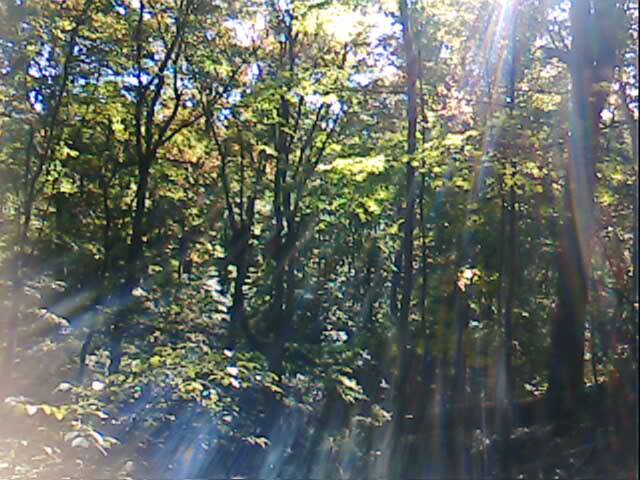
This is what I consider to be the "inner sanctum" of the Park. Being in that enviorment makes you feel calmer some how (If you tone out the airplane noise pollution .... ) There was an assortment of birds squawking their heads off. To the other birds it may be a beautiful love song, to me .... not so much.


This here derformed
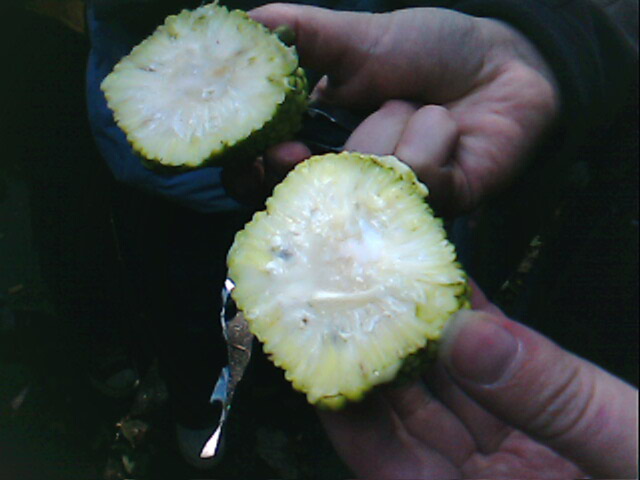
tennis ball looking thing is an Osage Orange. It had a tangy citrusy smell and it was extremly sticky (The residue on my knife wouldn't wash off after we used it to cut it in half).


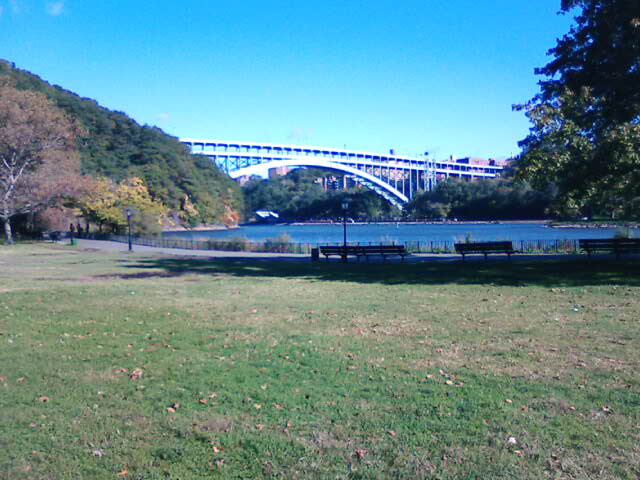
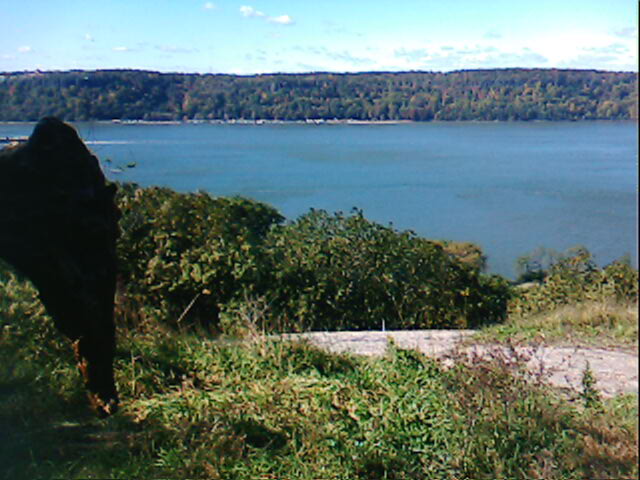
This is an ocean view of Inwoo
d park and the east river. The bridge in the background is the Hudson bridge. Also the field here is over popoulated with Clovers.


This is what Prof. Rosane considered to be "our future." It is decomposing organic matter or simply ..... mulch. It smells, it sticks to the bottom of your hiking boots, but its considered as "Black Gold" by farmers because it is rich with organic compounds.


This is a sink hole that was craved by Glaciers many many many .... years ago.


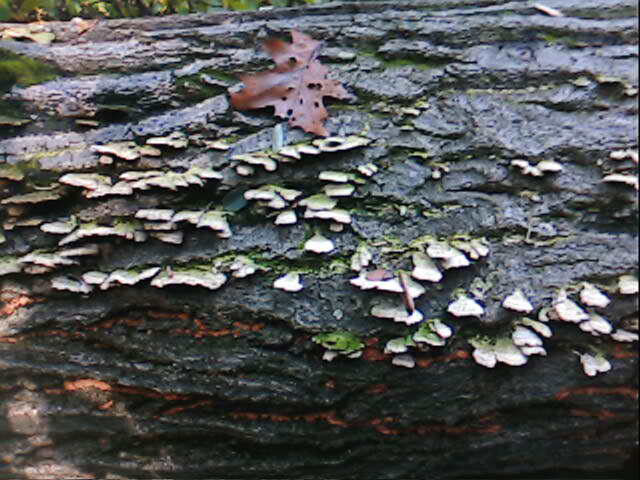
The white things growing on this decaying tree trunk is a Fungai colony.


At the edge of this clif you can over look the East River.


Course title

The Nature of New York:
healing our city’s ecology

description

An intensive, 4 week introductory workshop in urban ecology,
eco-design and sustainable entrepreneurship
College Now, Kbcc, October – November 2006

Includes field trips to Inwood Park, Downtown and NYC Harbor, East Village Community gardens, Jamaica Bay Wildlife Refuge and Mt Loretto Sanctuary, Staten island.


syllabus:
http://nnyn.org/videos/videos/NONY%20syllabus.pdf